







Search Results for: Freeze-dried coffee

Are freeze-dried coffee and freshly ground coffee powder the same thing? A full analysis of instant coffee shelf life
In recent years, freeze-dried coffee has been gaining strong momentum and has become a popular category in the instant coffee sector. However, Front Street Coffee has noticed that many consumers hold considerable misconceptions about freeze-dried coffee—some mistake freshly ground coffee powder for freeze-dried coffee and brew it directly, while others believe that the quality of freeze-dried coffee is already on par with freshly ground coffee. These misunderstandings arise partly because the appearance of freeze-dried coffee blocks does bear some resemblance to freshly ground coffee powder, and partly because merchants often promote it as "comparable to fresh ground," further blurring the line between the two. In fact, freeze-dried coffee and freshly ground coffee belong to completely different product categories and have no basis for direct comparison at all. This article will start from the production process to clarify the essence of freeze-dried coffee and explore the differences in shelf life between coffee powder and instant coffee. [more…]
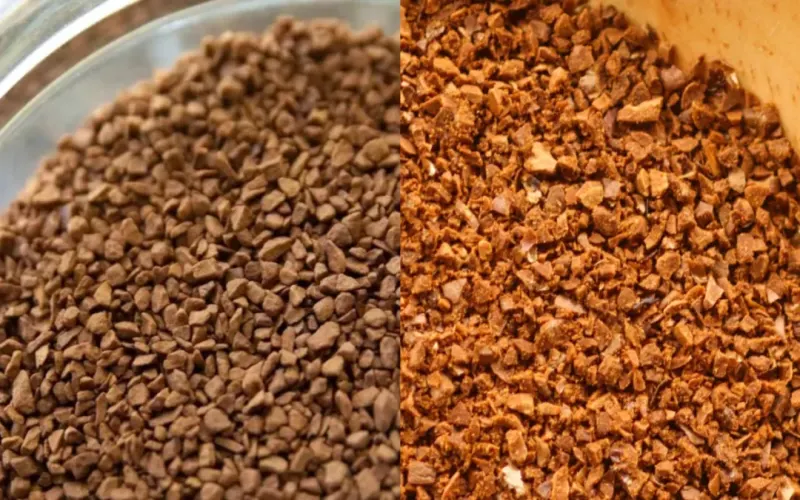
How is freeze-dried coffee different from instant coffee? What does the freeze-drying process mean? How does it compare to freshly ground coffee—which is better or worse?
In recent years, freeze-dried coffee, with its appearance and promotional campaigns, has led many consumers to mistakenly believe it can be mentioned in the same breath as freshly ground coffee—even giving rise to the blunder of brewing freshly ground coffee powder as if it were freeze-dried coffee. So what exactly is freeze-dried coffee? What are the essential differences between it and traditional instant coffee in terms of production processes? And is it truly comparable to freshly ground coffee? This article, from the perspective of Front Street, systematically sorts out the definition of freeze-dried coffee, its production process, and its differences from traditional instant coffee, helping coffee enthusiasts clarify the concepts and take a rational view of the relationship between freeze-dried coffee and freshly ground coffee. [more…]
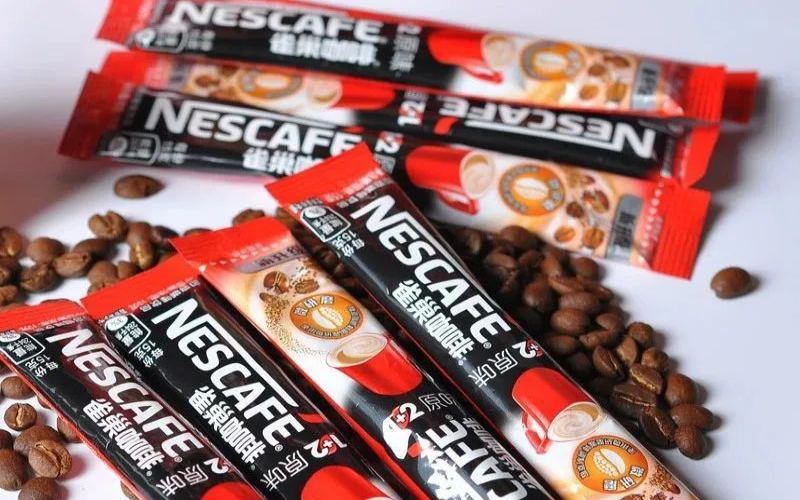
Why is freeze-dried coffee so expensive? From craft to market, breaking down the rise of specialty instant coffee
Instant coffee was once synonymous with Nescafé, Maxwell House, and Old Town, and sat at the bottom of the coffee snobbery chain. But today, new brands like Saturnbird, Yongpu, and Sumidagawa have given instant coffee a makeover, selling it as freeze-dried coffee at 4 to 7 times the price of traditional instant. Though it still falls under the instant coffee category, what exactly makes freeze-dried coffee so expensive? What is the essential difference between its production process and that of traditional instant coffee? Why did freeze-dried coffee, which rose to prominence in 2018, manage to tear open a gap in the instant coffee category and quickly grow into a market worth over 1 billion yuan? This article breaks down the logic behind the popularity of this cup of freeze-dried coffee from three dimensions: craft, brand, and market. [more…]

Behind the Freeze-Dried Coffee Craze: An Analysis of Instant Coffee Process Evolution and Flavor Differences
Freeze-dried coffee has become a new favorite in the coffee market in recent years, but many people are not clear about the real difference between it and traditional instant coffee. From the perspective of Front Street, this article sorts out the origin of instant coffee and its two core production processes—spray drying and freeze drying—analyzes why freeze-dried coffee can better preserve flavor, and how it breaks away from the stereotype of instant coffee. At the same time, the article also discusses the impact of raw material upgrades and packaging innovation on the popularity of freeze-dried coffee, helping readers fully understand the development context of this category and the reasons behind its market heat. [more…]

The Process Differences Between Instant and Freeze-Dried Coffee: A Comprehensive Analysis from Historical Origins to Production Principles
Instant coffee and freeze-dried coffee can both be enjoyed simply by adding hot water, and both belong to the convenient coffee camp—but are they really the same product under different names? The answer is no. From the coffee predicament of American soldiers in the 18th century, to the birth of Nestlé's spray-drying method, to the application of vacuum freeze-drying technology, these two technical routes have produced completely different flavor profiles. This article will systematically sort out the essential differences between instant coffee and freeze-dried coffee from multiple dimensions such as historical origins, production processes, and raw material selection, helping you understand why freeze-dried coffee can shed its "low-end" label and win back the favor of coffee lovers. [more…]
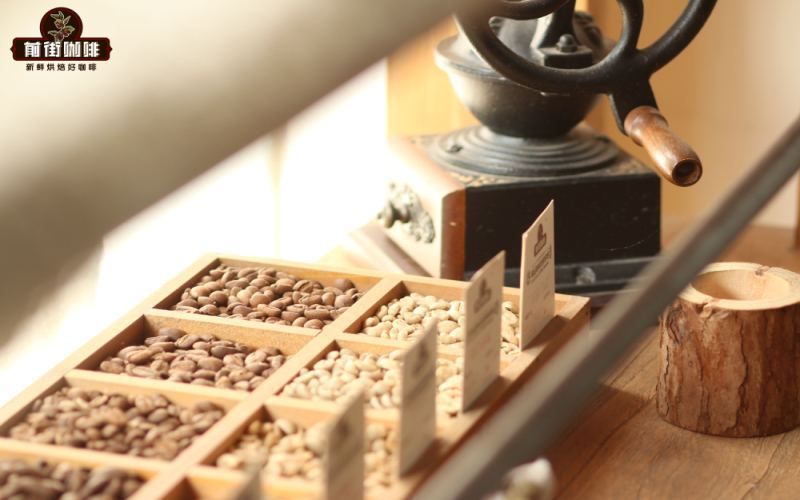
Instant Black Coffee Buying Guide: Flavor Review and Processing Analysis of Mainstream Freeze-Dried Coffee Brands
For many office workers, a daily cup of coffee has become a necessity, but buying it out over the long term adds up, making home brewing a money-saving solution. There are countless types of instant coffee—what exactly is the difference between freeze-drying and spray-drying, and how do their flavor profiles differ? This article first traces the history of instant coffee from its invention in 1901 to Nestlé's mass production, then analyzes how spray-drying and freeze-drying affect flavor, and finally presents Front Street Coffee's hands-on comparison of multiple instant coffee products from five brands—Tim Hortons, Yongpu, Eagle Eye, Saturnbird, and Coffee Box—to help you find the one that suits your taste. [more…]
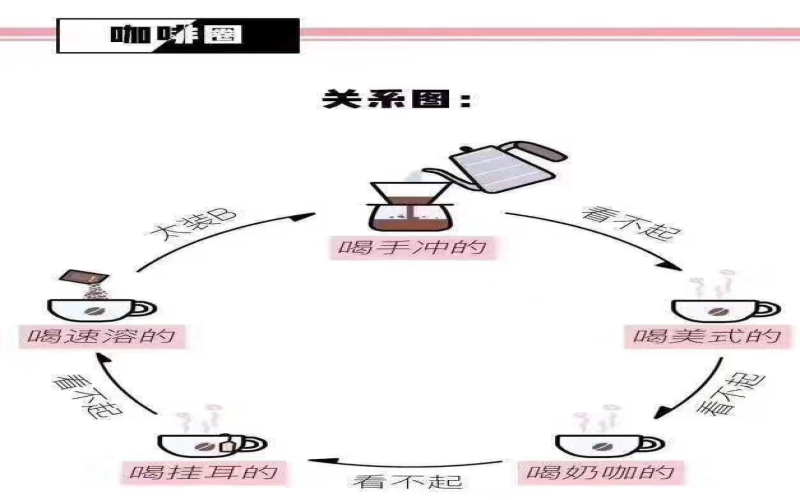
Why Is Instant Coffee Disliked? The Real Differences Between Freeze-Dried, Freshly Ground, and Specialty Coffee
More and more people love drinking coffee, but an invisible "chain of contempt" has emerged along with it: those who drink pour-over look down on those who drink Americano, those who drink Americano look down on those who drink milk coffee, and instant coffee seems to forever sit at the very bottom. So some people wonder: wasn't coffee originally just for waking up and quenching thirst? Why, as we drink it, has it come to carry notions of high and low, noble and base? This article starts with the history of instant coffee, discusses the real differences between freeze-dried coffee and freshly ground coffee, and explores what kind of mindset we should actually have when choosing a cup of coffee. [more…]
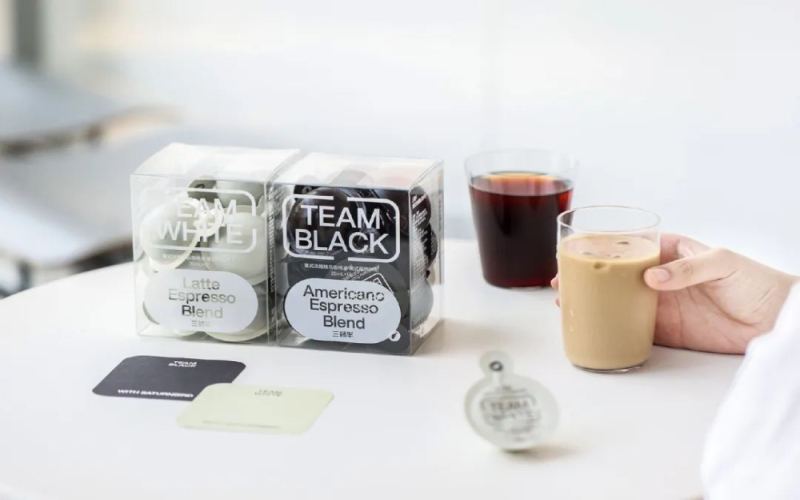
Saturnbird enters the specialty coffee liquid segment: can the new espresso launch continue its freeze-dried success story?
Saturnbird, known for its freeze-dried coffee, has recently launched its first espresso-style specialty coffee liquid, officially entering the increasingly competitive coffee liquid segment. The new products come in two versions—a light-roast Americano style and a dark-roast latte style—each using blended beans with different processing methods, with distinct emphases in flavor presentation. Since its founding in 2015, Saturnbird has quickly gained popularity with its highly recognizable small-can packaging design and numerical grading system, and in 2021 it even opened an offline concept store in Shanghai. However, the coffee liquid sector already has brands like Yongpu, Sumida River, and Seesaw laying the groundwork ahead of it, and giants such as Nestlé have also entered the fray one after another. Whether Saturnbird's expansion of its product line this time can break through again in the convenient coffee market is worth coffee lovers' continued attention. [more…]
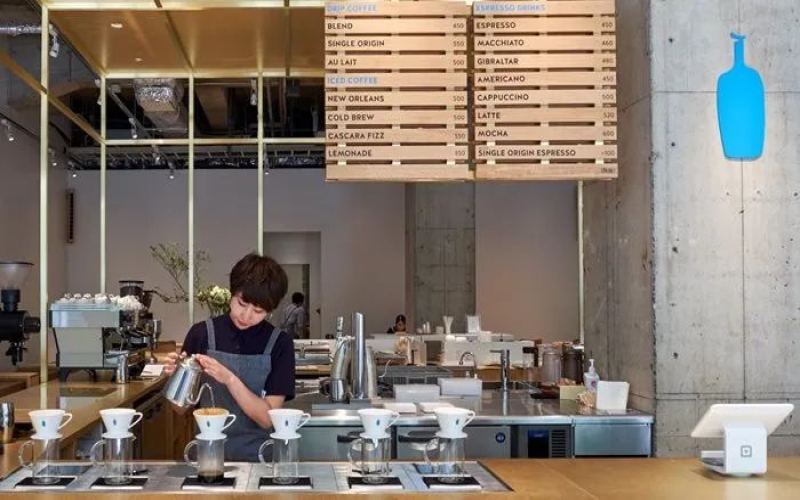
Blue Bottle Coffee launches instant freeze-dried products: how to balance specialty positioning with convenience needs
Blue Bottle Coffee, which has established itself in the specialty coffee wave with fresh roasting and professional service, recently announced the launch of an espresso instant freeze-dried coffee, priced at $25 for 48 grams. This move has drawn attention: when the pandemic blocked in-store consumption and demand for coffee at home rose, Blue Bottle chose to respond to the demand for convenience with an instant product. CEO Karl Strovink said the company will vigorously develop its instant coffee line and plans to add instant coffee drinks to its store menus within one to two years. Blue Bottle is currently controlled by Nestlé and has more than 100 stores in the United States and Asia. This article examines the market logic and executive statements behind Blue Bottle's new instant coffee product. [more…]
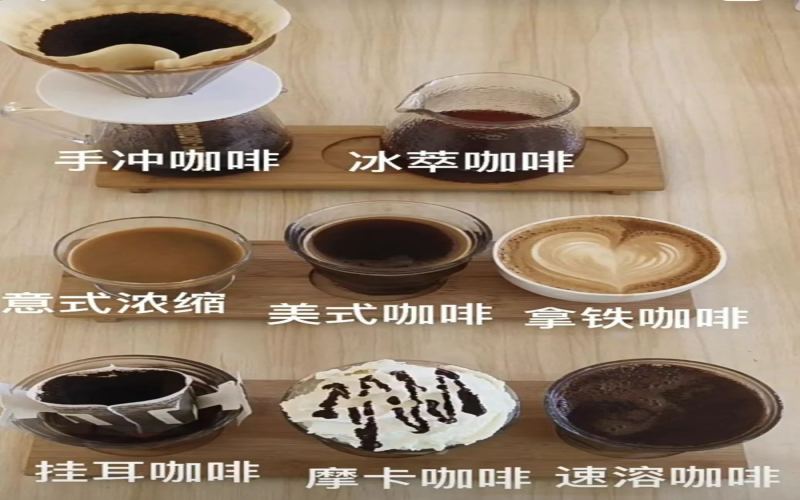
The path of coffee exploration is long; after going in circles, why return to the convenience and practicality of instant coffee?
For many coffee enthusiasts, the journey begins with a cup of instant or freeze-dried coffee. As their understanding of coffee deepens, they try pour-over, hand-brewed, espresso, cold brew, and other methods, and add equipment like drippers, moka pots, and semi-automatic espresso machines to build their own coffee corner. Yet after going around in a big circle, many people ultimately return to the embrace of instant coffee. This is not a step backward, but a practical consideration of time, cost, convenience, and shelf life. For early risers who rely on caffeine to wake up and those who travel frequently, stirring freeze-dried coffee powder into hot milk quickly yields a latte—easier than using a coffee machine, more affordable than chain brands, and allowing you to control the strength as you please. This article explores the real thoughts behind this interesting phenomenon. [more…]
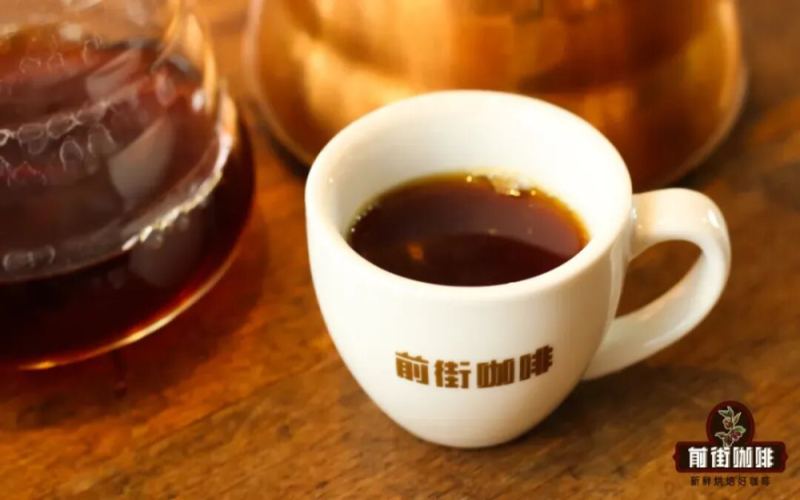
An In-Depth Analysis of Five Mainstream Coffee Forms: From Freshly Ground to Instant, How Processing Differences Determine Flavor and Health
Coffee products are dazzlingly varied, and behind the price differences, the processing method is what truly determines flavor and health. Based on overall taste and flavor, Front Street Coffee divides the mainstream coffees on the market into five tiers: freshly ground coffee ranks first thanks to its complete ingredients and fresh extraction, drip bags and capsule coffee follow closely behind for their convenience, cold brew concentrated coffee liquid sits in the middle, while freeze-dried coffee powder and traditional instant coffee rank lower. This article will break down the production principles, flavor performance, and health considerations of each type of product one by one, and intersperse Front Street Coffee's daily beans and espresso blend recommendations, helping coffee lovers see clearly the ranking logic from "solid" to "completely done for." [more…]

How to make frozen 400 times coffee? A real-world comparison test of espresso and instant freeze-dried powder—which tastes better?
Dalgona coffee has taken the internet by storm with its cloud-like, velvety foam and caramel-sweet flavor, while the frozen version of Dalgona coffee needs only one extra step of chilling to transform the coffee foam into an ice cream-like texture, with layers that rival a snow-topped coffee. But when making it, should you use espresso or instant freeze-dried powder? What exactly are the differences between the two in terms of whipping difficulty, flavor expression, and final mouthfeel? Front Street Coffee conducted two sets of comparative experiments using freshly brewed espresso and instant coffee powder respectively, recording everything from extraction parameter adjustments and whipping time to the texture of the final product, to help you find the method that suits you best. [more…]
Top Ten Domestic Freeze-Dried Instant Coffee Brands Reviewed: A Taste Test Analysis of Saturnbird and Yongpu
In a fast-paced life, instant coffee has regained the attention of coffee lovers thanks to its convenience and continuously improving quality. This article reviews ten instant coffee brands, including Nescafé, Maxwell House, Moccona, Colombian, G7, UCC, Klaes, Old Ipoh White Coffee, Ming Coffee, and Damnini, introducing each one by one from historical origins and raw material sources to flavor characteristics, helping readers build a basic understanding of instant coffee. At the same time, for the highly popular domestic freeze-dried instant coffee brands Saturnbird and Yongpu, the article also provides an objective description based on their product characteristics. Whether you are seeking a rich, mellow taste or a daily pick-me-up, this collection can provide valuable reference. What is shared is not only the flavor of coffee, but also a relaxed and pleasant drinking experience. [more…]

Starbucks' Valentine's Day Cocoa Raspberry Mocha Slammed as Tasting Like Chinese Herbal Medicine, Netizens Say Love Is Too Bitter
Valentine's Day is supposed to be a symbol of sweetness, and Starbucks duly launched a Cocoa Raspberry Mocha, with pink cream paired with raspberry syrup—visually, it's certainly eye-catching. However, many consumers who rushed to try it exclaimed, "I've finally tasted the bitterness of love." Some described it as resembling Banlangen, cold medicine, or even traditional Chinese medicine, and complaints poured in from all sides. What exactly is wrong with this limited-edition drink? Is it poor flavor integration, or is the freeze-dried dragon fruit dragging it down? Meanwhile, Starbucks has noticeably accelerated its pace of new releases over the past six months, yet its new products have repeatedly flopped in terms of reputation. The reasons behind this are worth examining closely. [more…]

From Coffee Cherry to Cup: A Comprehensive Guide to Coffee Bean Processing Methods, Extraction Techniques, and Instant Coffee Production
Coffee processing encompasses three levels: the processing methods that extract coffee beans from coffee cherries, the brewing methods that extract coffee liquid from coffee beans, and the industrial processes that turn coffee liquid into instant coffee powder. Traditional processing methods include three types—washed, natural, and honey—each giving coffee beans a distinctly different flavor profile. Extraction methods fall into three mainstream categories: drip, pressure, and cold brew, corresponding to pour-over coffee, espresso, and cold brew coffee, respectively. As for instant coffee, regular instant and freeze-dried coffee also show clear differences in production techniques and flavor retention. This article will break down these processing stages one by one to help coffee enthusiasts build a complete knowledge framework from seed to cup. [more…]

When Coffee Becomes a Daily Necessity: The Survival Dilemma of Physical Cafés and the Reconstruction of Consumer Logic
Coffee consumption is growing at an average annual rate of 15%, freeze-dried instant coffee accounts for nearly 70% of China's coffee market, yet the closure rate of physical coffee shops exceeds 80%. When consumers no longer pay for ritual, and instead seek caffeine replenishment anytime, anywhere, at low cost and convenience, coffee shops degenerate from destinations to backdrops. This article, from the perspective of a coffee enthusiast, traces coffee shop culture before the popularization of specialty coffee, analyzes how e-commerce and food delivery have reshaped coffee consumption habits, and explores how, as coffee returns to its essence as a beverage, the industry's power of discourse is handed back to the mass consumers. [more…]
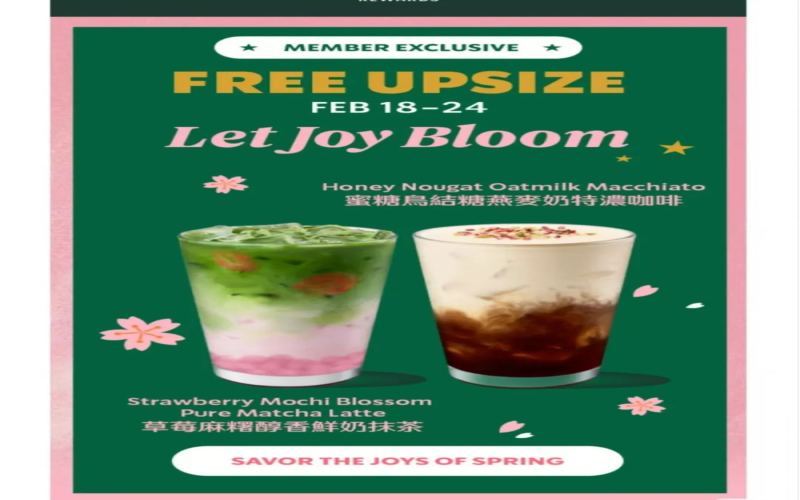
Starbucks Strawberry Mochi Matcha Latte Meets a Chilly Reception in Hong Kong and Macau: Paper Cup Presentation Falls Flat, Mochi Clogs Straws and Sparks Debate Over Texture
Spring new arrivals season: Starbucks Hong Kong and Macau stores launched a Strawberry Mochi Creamy Fresh Milk Matcha. The pink-and-green color scheme and freeze-dried strawberry garnish on the poster won over many looks-focused customers, who placed orders on impulse. However, due to Hong Kong's plastic restriction policy, cold drinks can only be served in white paper cups, creating an obvious gap between the real product and the promotional photo. Some consumers quipped that it looked like "green curry soaked chili peppers." Even more unexpectedly, although the mochi pearls were small in size, the stores did not provide wide-bore straws, so the mochi frequently clogged during drinking, leaving customers in a dilemma. As for taste, feedback was equally polarized—some found it too sweet, while others felt the matcha and strawberry flavors were almost absent. This new product was launched simultaneously in Singapore, Malaysia, and other places, with reviews almost identical to those in Hong Kong. This article compiles the real experiences of the first batch of tasters for the reference of coffee enthusiasts. [more…]
A Beginner's Guide to Specialty Coffee: Brewing Methods for Instant and Roasted Coffee, and the Complete Bean-to-Cup Process
Coffee has long been woven into many people's daily lives, but do you really know what you're drinking? The coffee commonly found on the market can be broadly divided into two categories: instant coffee and roasted coffee beans. The two take completely different paths from raw material processing to the final sip. Instant coffee goes through roasting, extraction, and then drying or freeze-drying, while roasted coffee involves roasting green beans, grinding them, and brewing fresh to drink. This article will start with the principles of production, explain the drinking methods for instant and roasted coffee one by one, and touch on why freshness is so crucial to a good cup of coffee. Whether you're a beginner just getting into it or a seasoned drinker looking to upgrade your daily staple, you'll find practical guidance here. [more…]

Starbucks Faces Class Action Lawsuit Over Fruit Beverage Ingredient Controversy, Brand Naming and Actual Ingredients Draw Scrutiny
Starbucks' fruit cold drink series recently faced a class action lawsuit in New York, where a Queens consumer alleged that the product names imply the inclusion of specific fruits, while they are actually mainly composed of water, concentrated grape juice, and sugar. The lawsuit argues that the product naming constitutes an "implied promise" about the ingredients, violating New York regulations that prohibit fraud and false advertising. The products involved include the Mango Dragonfruit, Pineapple Passionfruit, Strawberry Acai series, among others, with the disputed amount exceeding $5 million. Starbucks headquarters stated it has not yet received the lawsuit and declined to comment for now. The incident has sparked widespread discussion about the authenticity of beverage labeling and consumer expectations. Front Street Coffee continues to monitor trends in the coffee and beverage industry, providing professional information for enthusiasts. [more…]
Yunnan Coffee Bean Prices Continue to Climb: Why Is Small-Bean Coffee So Highly Favored, as Seen from the 2022 Purchasing Market
In recent years, Yunnan coffee beans have risen to prominence in the domestic market. From China Post's cross-industry launch of Post Coffee to KFC's release of Yunnan Little Red Can freeze-dried coffee, more and more brands are turning their attention to this highland growing region. At the same time, the purchase prices of both commercial and specialty coffee beans in Yunnan have been climbing in tandem, with some premium lots even reaching the thousand-yuan-per-kilogram level. This article will review the market performance of Yunnan coffee beans, the current state of brand applications, and look back at the 2022 price trends, analyzing the multiple factors behind their popularity. [more…]